 Layered
HDB Flooring Options: Vinyl vs Tiles vs Timber (Cost, Pros and Cons)
Vinyl, tiles or timber? Each HDB flooring option suits different rooms, budgets and lifestyles. Here is how they compare and what to ask before you choose.
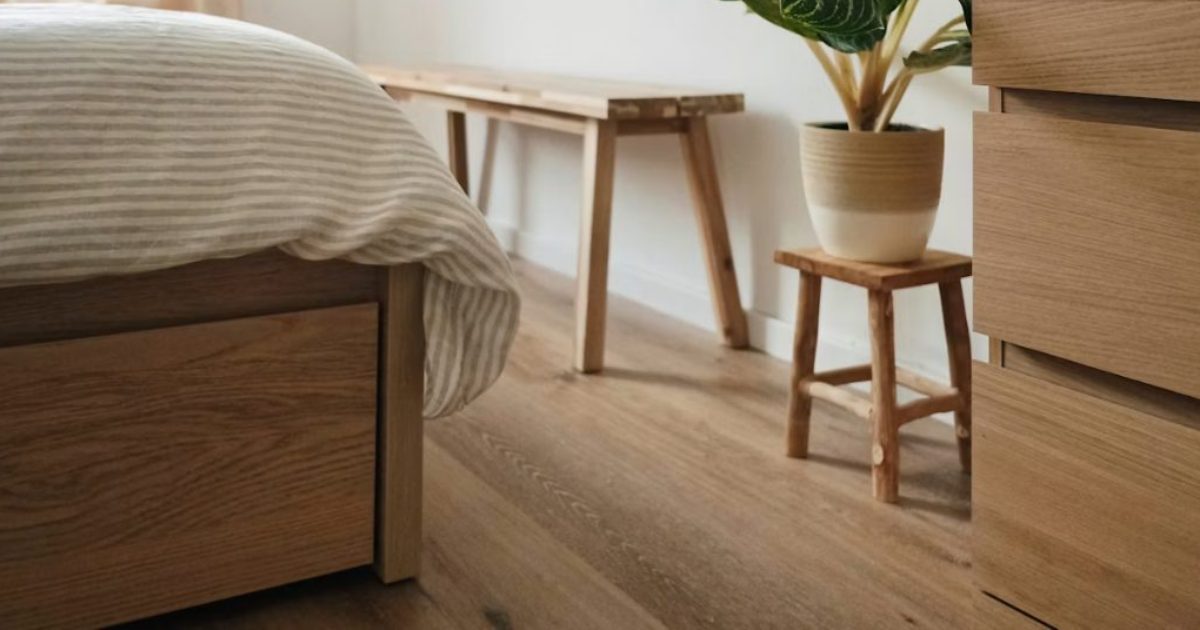
Flooring is one of the largest surfaces in your flat, and one of the hardest to change later. The main HDB flooring options are vinyl, porcelain or homogeneous tiles, and timber or timber-look floors, and each behaves differently underfoot, in humidity and on your budget. This guide compares them room by room so you can brief your designer with confidence.
Prices are indicative ranges that Singapore contractors commonly quote and vary by brand, area and site. Ask for itemised quotes before deciding.
HDB flooring options at a glance
| Vinyl | Tiles | Timber (engineered or solid) | |
|---|---|---|---|
| Look | Wide range, including timber and stone looks | Wide range, from marble look to concrete look | Natural grain and warmth |
| Water resistance | Good for most vinyl, check the product | Excellent | Poor to moderate, avoid wet areas |
| Feel | Slightly soft, warmer than tile | Hard and cool, helpful in the heat | Warm, comfortable |
| Install | Often laid over a levelled floor with little hacking | Wet works, can be laid over existing tiles in some cases | Needs a flat, dry base and underlay |
| Upkeep | Easy to clean, can dent or scratch | Very durable, grout needs cleaning | Needs more care, can scratch or swell |
| Typical suitability | Living areas and bedrooms | Whole flat, especially kitchens and bathrooms | Bedrooms and living areas, with care |
Vinyl flooring in an HDB flat
Vinyl planks, including click-lock rigid-core types, are popular in BTO and resale flats because they install quickly and look like timber without the maintenance.
Pros
- Quicker and cleaner to install than tiling, with less hacking.
- Many designs, and generally easy to clean.
- Softer and warmer underfoot than tile.
Cons
- Can dent under heavy furniture and scratch with grit.
- Can sound slightly hollow, so ask about underlay.
- Quality varies widely. Thin or poorly bonded products may lift or discolour.
Ask your designer: the thickness and wear layer, whether it is rated for humid conditions, whether the subfloor will be levelled, and the warranty.
Tiles: porcelain and homogeneous
Tiles are the long-standing choice for Singapore homes. They handle humidity, spills and heavy furniture well, and larger formats reduce visible grout lines.
Pros
- Very durable and water-resistant, so they suit kitchens, bathrooms and balconies.
- Stays cooler, which many people prefer in the heat.
- A large choice of sizes and finishes.
Cons
- Hard and cold underfoot, and unforgiving if something is dropped.
- Installation involves wet works and curing time, and heavy hacking is noisy and subject to renovation-hour rules (see our HDB renovation permit and rules guide).
- Grout can stain and needs cleaning.
Ask your designer: the tile size and slip rating, how the tiles will be fixed, and whether existing floor tiles will be hacked or tiled over. Laying over existing tiles can reduce cost and noise, but it raises the floor level, so check the effect on doors and thresholds.
Timber and engineered timber
Solid timber suits a dry, controlled space more than a humid flat. Engineered timber, which has a real wood surface over a layered core, is more stable and is the usual choice.
Pros
- Warm look and feel that is hard to match.
- Can often be refinished, depending on the product.
Cons
- Sensitive to water and humidity, so it is not suited to kitchens, bathrooms or balconies.
- Scratches more easily than tile.
- Generally costs more than vinyl.
Indicative cost of flooring
Installed prices per square foot vary with the product, but contractors commonly quote in these bands:
| Option | Indicative installed cost |
|---|---|
| Vinyl | About S$3 to S$8 per sq ft |
| Porcelain tiles (standard size) | About S$6 to S$12 per sq ft, more for large or premium formats |
| Engineered timber | About S$8 to S$15 per sq ft or more |
Treat these as a starting point and compare itemised quotes. For the whole-flat picture, see our HDB renovation cost guide and the renovation cost calculator.
Which flooring for which room?
- Living and dining: vinyl, tile or engineered timber, depending on budget and look.
- Bedrooms: vinyl or engineered timber for warmth underfoot.
- Kitchen: tile, or a water-rated vinyl if your designer confirms it suits the layout.
- Bathrooms and balcony: tile only, with proper waterproofing and falls to the drain.
- Whole flat in one material: tile or vinyl gives a continuous, spacious look.
What to settle before ordering
- [ ] Floor finish chosen for each room
- [ ] Hack, level or overlay decision made
- [ ] Skirting and door thresholds checked against the new floor height
- [ ] Underlay and warranty confirmed for vinyl or timber
- [ ] Spare boxes or tiles ordered for future repairs
Use our renovation checklist to place flooring in the right order of works, and browse HDB designers to compare ideas and quotes.
Frequently asked questions
Is vinyl or tile better for an HDB flat?
Neither is better everywhere. Tile is more durable and suits wet areas, while vinyl is warmer, quicker to install and often cheaper in living areas and bedrooms.
Can I lay vinyl over existing tiles?
Often yes, if the tiles are sound and the surface is levelled. Check the height change at doors, and ask your contractor to confirm the base is suitable.
Is timber flooring suitable in Singapore's humidity?
Engineered timber can work in a controlled indoor space such as a bedroom or living room, but avoid wet areas and ask about moisture protection and the warranty.
Do I need to hack the old floor tiles?
Not always. Hacking is noisy and adds cost, so many owners tile or lay vinyl over sound existing tiles. Your designer should advise based on the condition and floor height.
flooringvinyltilestimberhdbbto
Ready to find a designer?
Compare Singapore interior designers and renovation firms, then get matched for free.
Keep reading
HDB Living Room Design Ideas: Make a Small Space Work
A compact HDB living room can still feel open and calm. These layout, storage, lighting and colour ideas help a small space do more.
Laminate vs Veneer vs Solid Wood for Built-Ins in Singapore
Wardrobes, kitchen cabinets and TV consoles are usually built from a board core with a laminate, veneer or solid wood surface. Here is how the three compare in Singapore homes.
Small HDB Storage Ideas: 12 Smart Ways to Add Storage Without Clutter
In a compact flat, storage decides whether a home feels calm or crowded. Here are twelve practical ideas and how to plan them with your designer.