 Layered
What Is Japandi? A Guide to the Style for Singapore Homes
Japandi blends Japanese calm with Scandinavian warmth. It suits compact Singapore homes, but a humid climate changes which materials make sense.
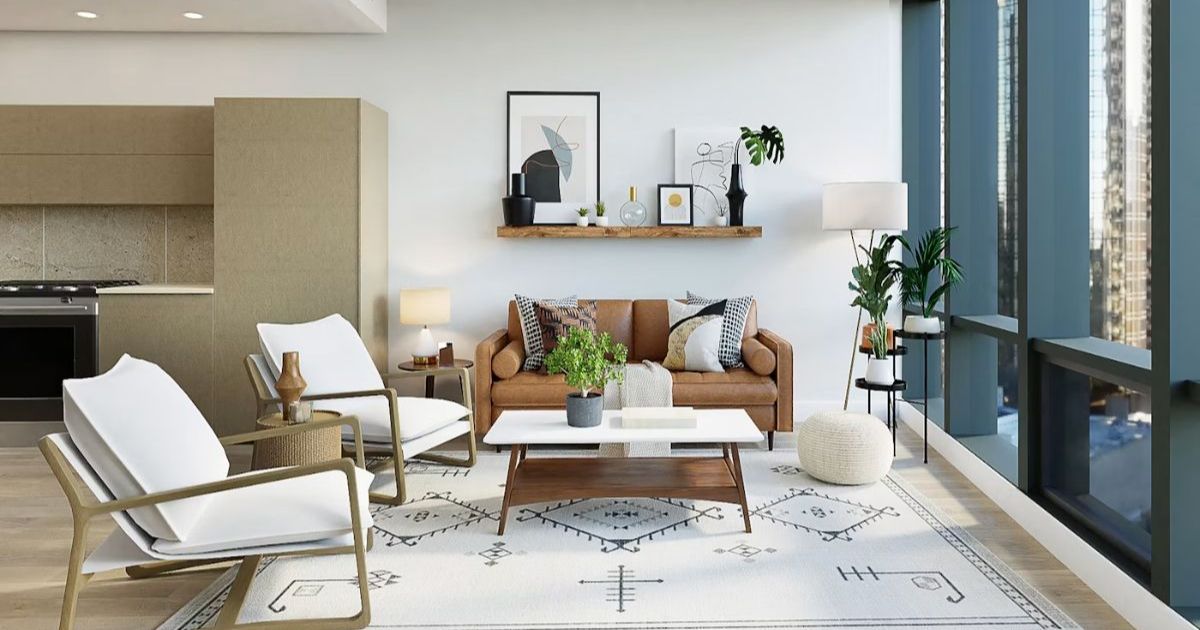
Japandi has become one of the most requested looks for Singapore homes, and it is easy to see why: it is calm, uncluttered and warm. This guide explains what Japandi is and how to make Japandi interior design in Singapore work in an HDB flat or condo.
What is Japandi?
Japandi blends Japanese minimalism with Scandinavian functionality and comfort. It rests on two ideas: the Japanese concept of wabi-sabi, which finds beauty in simplicity and imperfection, and the Scandinavian idea of "just enough". The result is minimal without being cold, and functional without being clinical.
The key characteristics
- Natural materials: wood, stone, linen, wool, ceramics and woven fibres add texture and warmth.
- A soft, warm palette: beige, taupe, cream, soft grey, brown and muted green rather than bright or saturated colours.
- Clean lines and low furniture: simple shapes, often lower to the ground.
- Negative space: you leave room to breathe instead of filling every wall.
- Craft over quantity: one well-made chair or ceramic piece instead of many small decorations.
Japandi versus its close cousins
| Style | Feels | Palette | Compared with Japandi |
|---|---|---|---|
| Japandi | Calm, warm, crafted | Warm neutrals, muted greens | n/a |
| Scandinavian | Bright, cosy | White and pale wood | Lighter and less earthy |
| Minimalist | Clean, restrained | Neutral, low-contrast | More stripped back |
| Industrial | Raw, bold | Dark metal, concrete | Much harder-edged |
Explore each on Layered: Scandinavian, minimalist and industrial interior designers.
How to get Japandi interior design in a Singapore home
Japandi interior design in Singapore works best when the style is adapted to compact flats and a humid climate. Start with these steps.
- Start with the walls and floor. Warm off-white or soft beige walls and timber-look flooring set the tone.
- Build in storage. Flush, handleless carpentry keeps surfaces clear, which matters most in compact HDB and condo layouts.
- Choose materials for the climate. Singapore is hot and humid. Solid timber needs care, so many designers use quality timber-look laminates or veneers on built-ins and reserve real wood for furniture and accents.
- Layer texture, not colour. Linen curtains, rattan, ceramics and a wool or jute rug add depth without clutter.
- Keep lighting warm and soft. Warm-white lighting and paper or fabric shades suit the style.
- Edit ruthlessly. Leave some blank wall and clear surfaces.
Common Japandi mistakes
- Going too beige. Without texture and a few darker or green accents, the look turns flat.
- Copying a showroom. The style relies on space, so it fails in a flat full of belongings. Edit first.
- Using the wrong wood for the climate. Fine solid timber can warp in humidity, so confirm how finishes will age.
- Cold lighting. Warm-white light is part of the mood.
What to ask your designer
- Can you show completed Japandi or warm-minimalist homes of similar size?
- Which materials do you recommend for humidity, and how will they age?
- How will storage be handled so nothing needs to sit out?
- How much of the look comes from carpentry versus furniture I can add later?
Browse HDB interior designers and condo interior designers and filter by style to see portfolios.
Frequently asked questions
What is Japandi style?
Japandi is a hybrid of Japanese minimalism and Scandinavian design, using natural materials, warm neutral colours, clean lines and plenty of negative space.
Is Japandi suitable for small HDB flats?
Yes. Its restraint, built-in storage and light, calm palette make compact spaces feel larger and more orderly.
Does Japandi work in Singapore's humid climate?
It does, with sensible material choices. Many designers use timber-look finishes for built-ins and keep natural wood for pieces that are easy to maintain.
japandiscandinavianminimalistdesign ideas
Ready to find a designer?
Compare Singapore interior designers and renovation firms, then get matched for free.
Keep reading
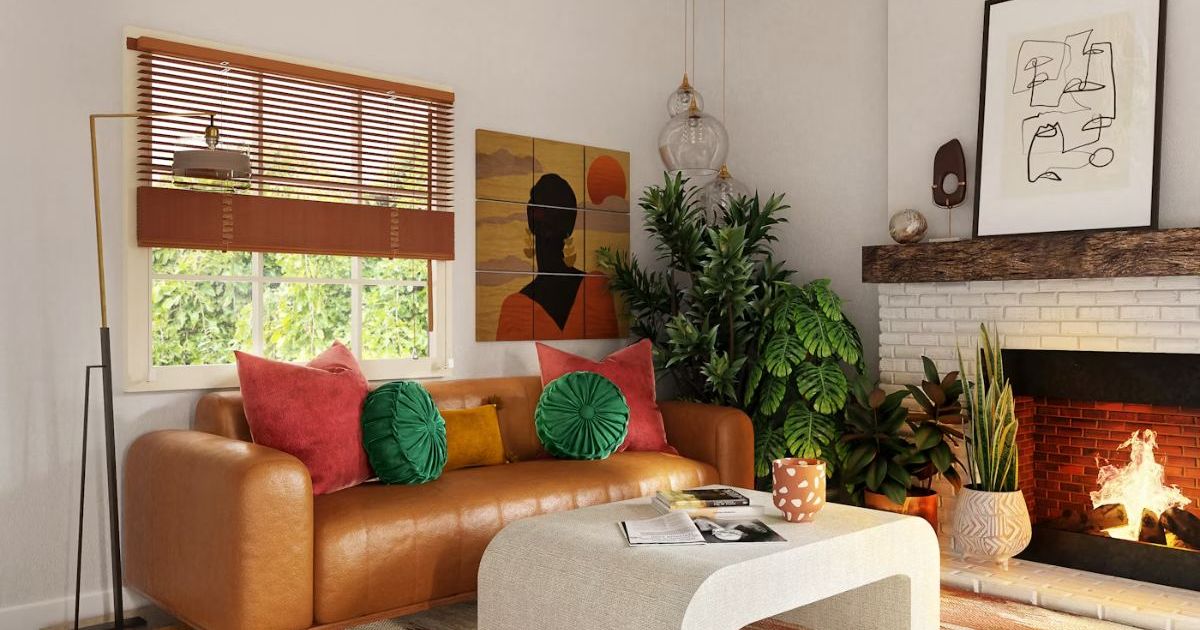
HDB Living Room Design Ideas: Make a Small Space Work
A compact HDB living room can still feel open and calm. These layout, storage, lighting and colour ideas help a small space do more.
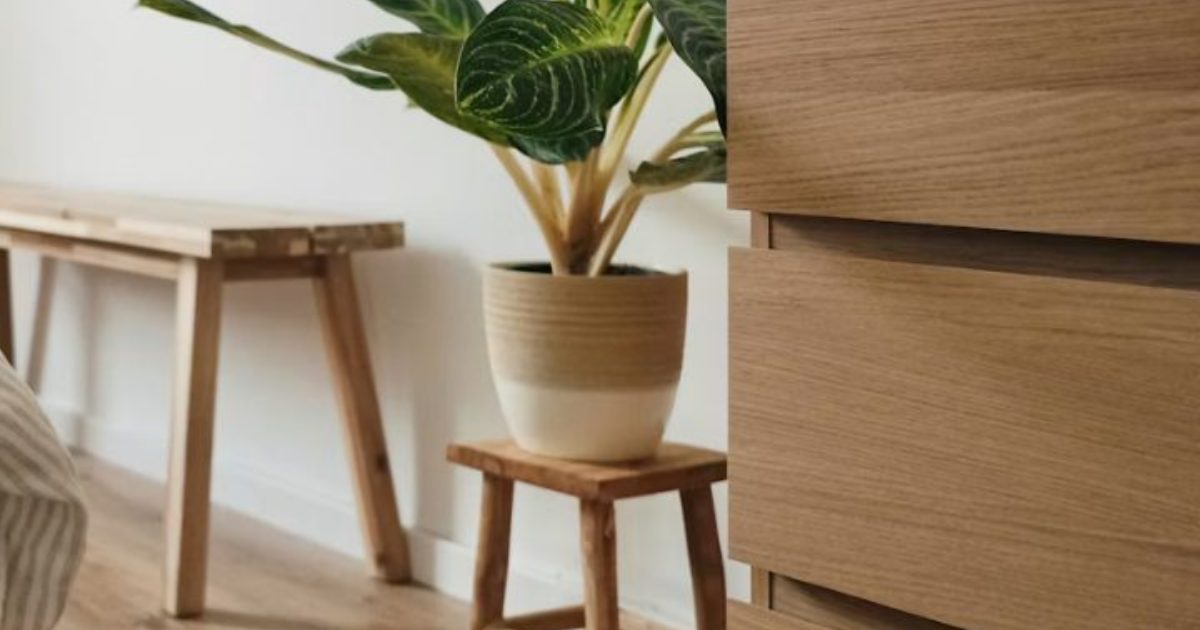
Laminate vs Veneer vs Solid Wood for Built-Ins in Singapore
Wardrobes, kitchen cabinets and TV consoles are usually built from a board core with a laminate, veneer or solid wood surface. Here is how the three compare in Singapore homes.
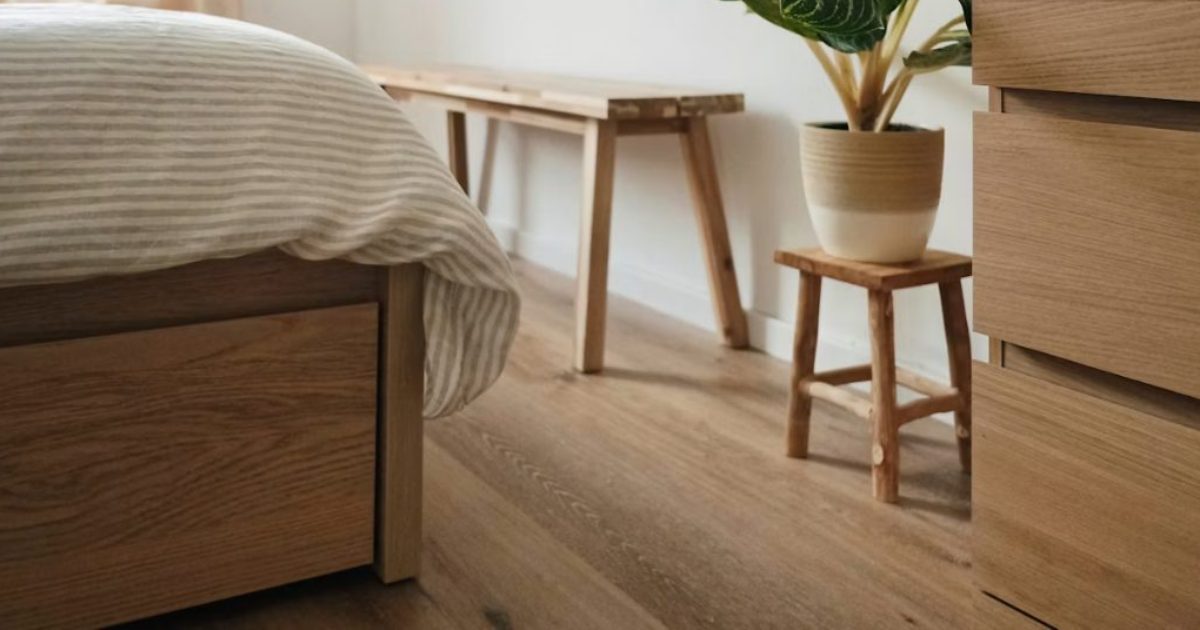
HDB Flooring Options: Vinyl vs Tiles vs Timber (Cost, Pros and Cons)
Vinyl, tiles or timber? Each HDB flooring option suits different rooms, budgets and lifestyles. Here is how they compare and what to ask before you choose.