 Layered
How Much Contingency to Keep for a Renovation
A buffer of 10% to 15% is the usual advice, but where you spend it matters as much as how much you keep. Here is how to size and protect your renovation contingency.
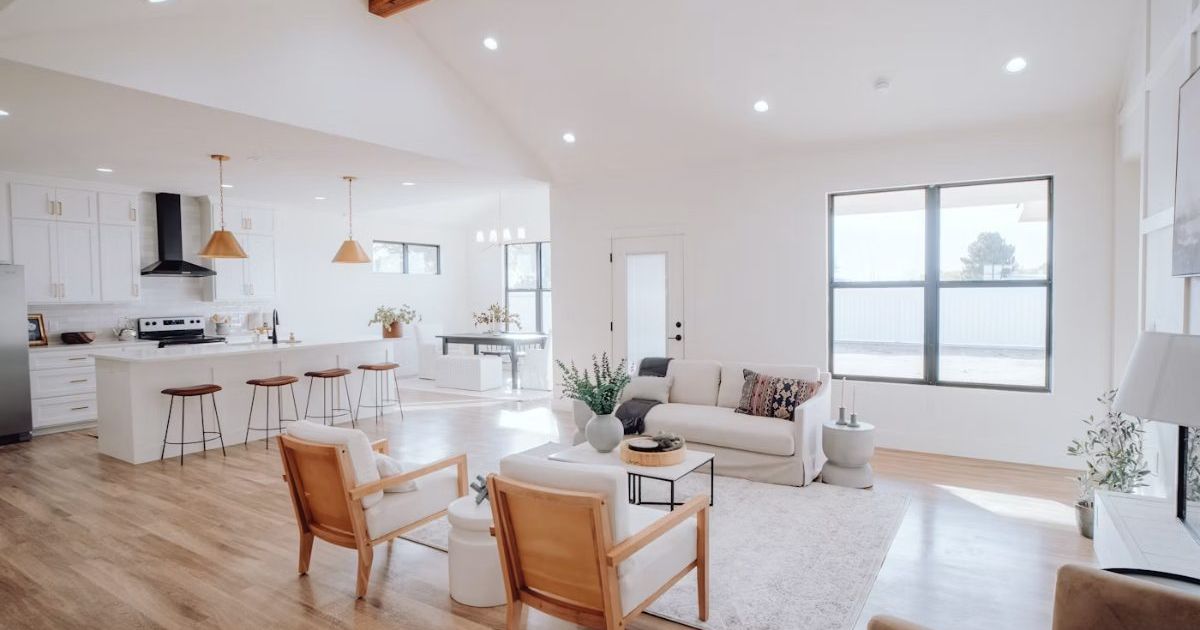
Almost every renovation costs more than the first quote, which is why a renovation contingency belongs in the budget from day one. The common guide is 10% to 15% of the contract value, but the right figure depends on the age of your home and how firm your plans are. This guide explains how to size the buffer, what it should pay for, and how to stop it leaking away.
The percentages are commonly cited guidance, not rules. Your own situation may need more or less.
How big should the renovation contingency be?
| Situation | Suggested buffer |
|---|---|
| New BTO or new condo, firm design, few changes | About 10% |
| Resale flat, some hacking, moderate custom work | 10% to 15% |
| Older flat, rebuilt wet areas, uncertain scope | 15% or more |
Resale and older homes need more because problems stay hidden until old finishes come off: damp walls, old pipes, uneven floors or wiring that does not meet current standards. Our guide to resale HDB hidden costs lists the usual suspects.
What the buffer is for
Use the renovation contingency for things nobody could reasonably know at the quote stage:
- Problems found after hacking, such as rotten or leaking pipes
- Extra electrical points once you see the furniture in place
- A genuine design change that improves the result
- Small items missing from the quote that the scope clearly needs
What it should not pay for
A buffer that pays for everything stops working. Keep it away from:
- Upgrades you simply want. A nicer tile choice midway is a decision, not a surprise. Fund it from savings elsewhere or leave it out.
- Things already in the scope. If the quotation or drawings include it, the contractor should deliver it within the contract price.
- Furniture and appliances. These belong in their own budget lines.
How to protect the buffer
- Fix the scope in writing with drawings and an itemised quotation before you sign.
- Approve every change in writing, with the cost and the effect on the timeline, before the work happens. See our guide to what to check in a renovation contract.
- Track spending against the budget after each stage, not at the end. The renovation checklist helps you keep a running record.
- Release the buffer in steps. Treat it as spent only when a change is agreed.
A worked example
Suppose your agreed contract is S$50,000 for a resale flat. A 15% buffer is S$7,500. Hacking reveals old pipes that need replacing, which costs S$2,000, and you add three power points for S$400. That leaves S$5,100 unspent. If it stays unspent at handover, you keep it, or use it for curtains and lights.
If the buffer runs out
Pause before agreeing to more. Ask for the cost of each remaining change, and decide what to drop. If the contractor asks for a large unplanned payment, check the contract and the payment schedule first. Our guide to the renovation payment schedule explains how staged payments should work.
Frequently asked questions
Is 10% contingency enough?
For a new flat with a firm design, often yes. For a resale or older home, 15% or more is safer.
Should I tell the contractor about my buffer?
There is no need to. Keep the buffer in your own budget and negotiate the contract price on the agreed scope.
What if I do not use the contingency?
You keep it. Many owners put it towards curtains, lighting or furniture once the renovation is done.
Does a package price remove the need for a buffer?
No. A package fixes the price for a defined scope, but changes, hidden problems and extras still cost money.
contingencybufferbudgethidden costs
Ready to find a designer?
Compare Singapore interior designers and renovation firms, then get matched for free.
Keep reading
Cove Lighting Cost in Singapore: Per Foot Run and What Affects It
Cove lighting is priced by the foot run. Here is the 2026 range, sample totals for typical flats and the details that decide quality.
Bedroom Door Cost in Singapore: Laminate, Sliding and Folding Options
Bedroom doors are priced per door, so the total depends on how many you change. Here is the 2026 range, what drives it and how to choose.
Shower Screen Cost in Singapore: Glass, Sizes and Installation
A shower screen is a small line on a quote that can swing widely. Here is the indicative range, what drives it and what to ask before you order.