 Layered
Laminate vs Veneer vs Solid Wood for Built-Ins in Singapore
Wardrobes, kitchen cabinets and TV consoles are usually built from a board core with a laminate, veneer or solid wood surface. Here is how the three compare in Singapore homes.
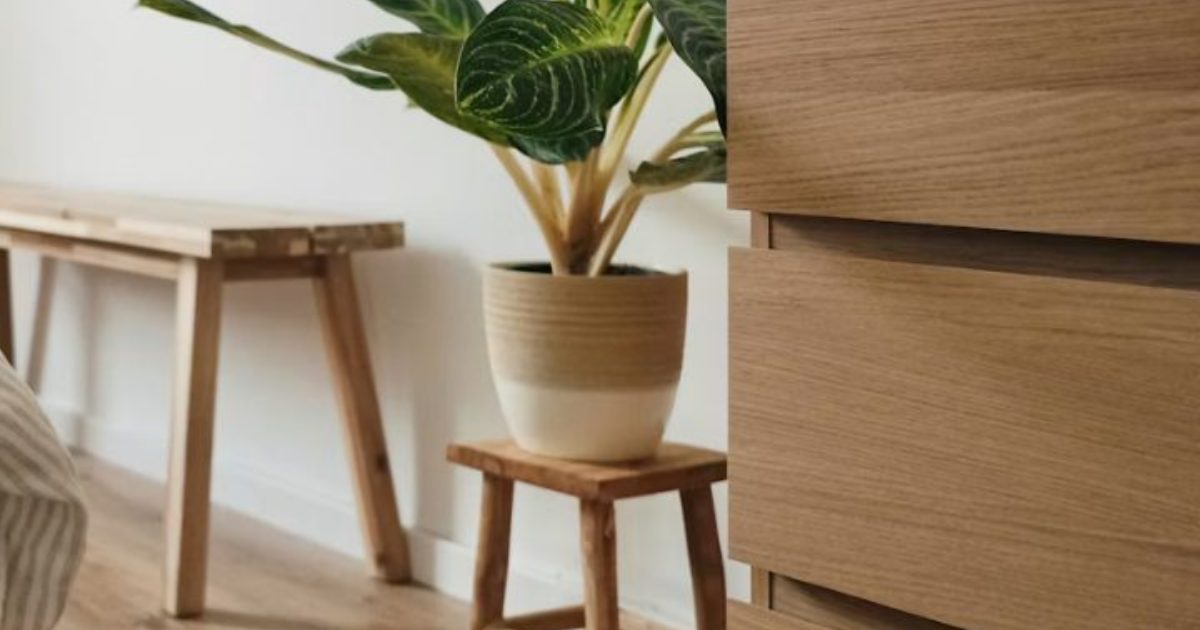
Most built-in furniture in Singapore homes, such as wardrobes, kitchen cabinets and TV consoles, is made from a board core covered with a surface material. The choice of surface changes how it looks, how it handles humidity and how much it costs. This guide compares laminate vs veneer carpentry in Singapore, with solid wood for context, so you can ask your carpenter better questions.
Prices vary by brand and supplier, so this guide compares relative cost rather than quoting rates. Ask for the brand, grade and thickness in writing.
Laminate vs veneer carpentry in Singapore at a glance
| Laminate | Veneer | Solid wood | |
|---|---|---|---|
| What it is | A thin printed or coloured decorative layer, bonded to a board | A thin slice of real wood glued to a board | Planks of real timber |
| Look | Wide range of colours and wood or stone patterns | Real grain, each piece slightly different | Real grain, can be shaped and carved |
| Humidity | Handles it well when edges are sealed | Reasonable when sealed and finished well | Can swell, shrink or warp without care |
| Wear | Resists scratches and stains well | Can scratch or fade, but can be refinished in some cases | Can be sanded and refinished |
| Relative cost | Lowest of the three | Middle | Highest |
| Best for | Kitchens, wardrobes, children's rooms | Feature walls, TV consoles, living areas | Furniture you can maintain, visible features |
Laminate carpentry
Laminate is the workhorse of Singapore carpentry. It is applied over a board core and is the most common choice for HDB kitchens and wardrobes.
Pros
- Durable and easy to wipe clean.
- Wide choice of colours and finishes, including timber-look.
- Usually the most affordable.
Cons
- Wood-look patterns repeat and do not have the depth of real grain.
- Edges and joints are the weak point: poor edge-banding can peel in humid conditions.
Veneer carpentry
Veneer gives the look of real wood on a stable board, which is why designers use it for visible pieces.
Pros
- Real wood grain and a richer feel than laminate.
- More stable than solid wood.
Cons
- Costs more than laminate.
- The surface layer is thin, so deep scratches are harder to hide, and it can fade in strong sunlight.
- Needs a good protective finish.
Solid wood
Solid wood is best for pieces you can look after, such as a dining table or a visible shelf. In Singapore's humid climate, large solid-wood built-ins need careful design and finishing, which is why many designers use quality timber-look laminates or veneers on built-ins. See our Japandi guide for how solid wood is used in warm, natural schemes.
The board underneath matters too
The surface is only half of the story. The core board affects strength, moisture resistance and how well screws hold:
- Plywood holds screws well and handles moisture better than most boards.
- Particleboard is common and affordable, but its edges and cut-outs need good sealing.
- MDF takes smooth finishes and painting well, but is heavy and less tolerant of moisture.
- Blockboard has a solid core, often used for longer spans.
Ask which core is used in which room, especially for kitchens, bathrooms-adjacent walls and any cabinet near a sink.
Which should you choose by room?
- Kitchen: laminate or a water-resistant board with sealed edges. See our HDB kitchen renovation cost guide.
- Wardrobes and bedrooms: laminate for value, veneer if you want a warmer look.
- Living room feature walls and TV consoles: veneer for real grain, or timber-look laminate to save cost.
- Dining table and loose furniture: solid wood, if you will maintain it.
What to ask your carpenter
- [ ] Which surface material and brand, and what thickness?
- [ ] Which core board for each room?
- [ ] How are edges sealed or edge-banded?
- [ ] What formaldehyde emission rating does the board carry?
- [ ] What hardware is used for hinges and drawer runners?
- [ ] What is the warranty on the finish and the joinery?
Put the answers into your quotation. Our guide to reading a renovation quotation shows how to list materials and brands, and our renovation checklist places carpentry in the order of works. You can also browse designers to compare finishes in real projects.
Frequently asked questions
Is laminate or veneer better for kitchen cabinets?
Laminate is usually the better value in a kitchen because it resists stains and moisture. The edges and the board core matter as much as the surface.
Is veneer real wood?
Yes, but only a thin layer of it. It is a slice of real timber bonded to a board, which gives real grain with more stability than solid wood.
Is solid wood suitable for built-in wardrobes in Singapore?
It can be, but humidity makes it harder to get right. Most built-in wardrobes use laminate or veneer over a stable board.
How can I check the board quality?
Ask for the brand, core type, thickness and emission rating in writing, and ask to see a sample of the edge finish.
carpentrylaminateveneersolid woodbuilt-inshdb
Ready to find a designer?
Compare Singapore interior designers and renovation firms, then get matched for free.
Keep reading
HDB Living Room Design Ideas: Make a Small Space Work
A compact HDB living room can still feel open and calm. These layout, storage, lighting and colour ideas help a small space do more.
HDB Flooring Options: Vinyl vs Tiles vs Timber (Cost, Pros and Cons)
Vinyl, tiles or timber? Each HDB flooring option suits different rooms, budgets and lifestyles. Here is how they compare and what to ask before you choose.
Small HDB Storage Ideas: 12 Smart Ways to Add Storage Without Clutter
In a compact flat, storage decides whether a home feels calm or crowded. Here are twelve practical ideas and how to plan them with your designer.