 Layered
How to Brief an Interior Designer: What to Prepare Before You Meet
A clear brief gets you accurate quotes and fewer revisions. Here is what to prepare before you meet a designer: budget, daily habits, storage needs, style and deadlines.
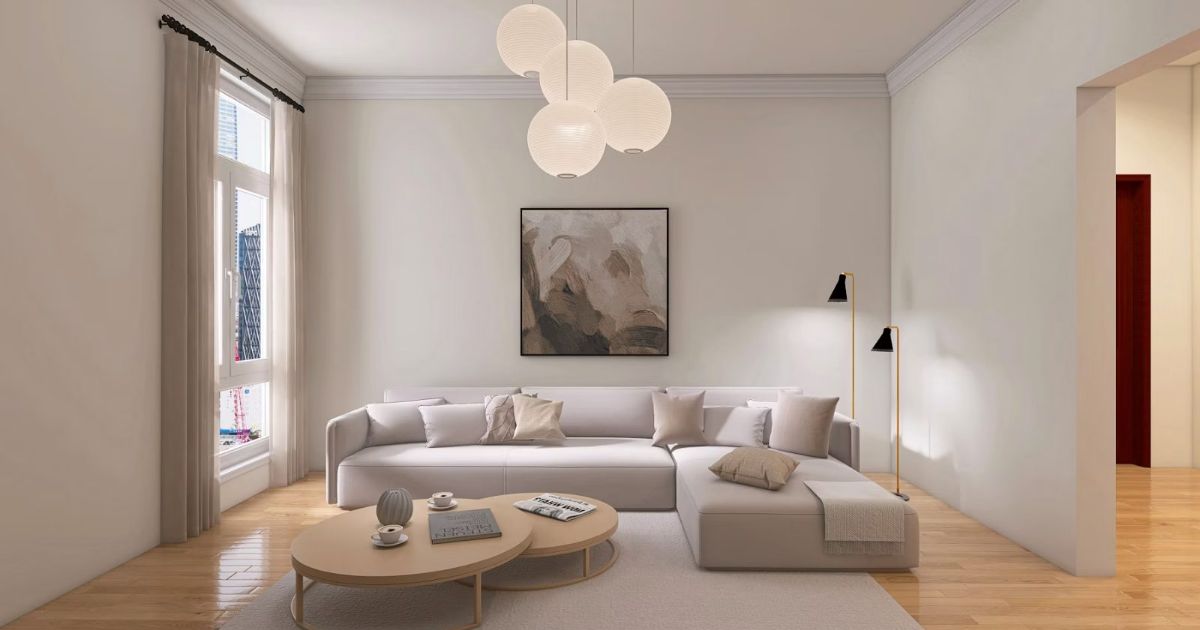
A good designer can only work with the information you give them. When you brief an interior designer well, you get proposals that fit your budget and your life, and quotes you can compare. When you brief badly, you get generic layouts and a quote that changes at every meeting. This guide lists what to prepare.
Start with the numbers
Share your budget range and be honest about it. Designers can only propose what fits, and a realistic range saves everyone's time. Keep a separate line for furniture and appliances. Our guide to planning a renovation budget shows how to set one.
Also share the key dates: when you collect the keys, when you must move out of your current home, and any fixed deadline such as a birth or a lease end. Our guide to BTO renovation timeline shows how long each stage usually takes.
Describe how you live, not just how you want it to look
Photos help, but daily habits matter more. Tell the designer:
- Who lives in the home now and who may join later, including children, elders and pets.
- How you cook and how often. A family that cooks daily needs a different kitchen from one that mostly eats out.
- Whether you work from home and how many hours.
- How you entertain and how many guests you usually host.
- What annoys you in your current home.
These answers drive the layout, the storage and the lighting.
List your storage needs
Storage is where many briefs fall short. Count what you own: clothes, shoes, bags, books, kitchenware, sports gear and suitcases. Then say what must be hidden and what you want on display. A designer can then plan the carpentry around real quantities instead of guessing. Our guide to small HDB storage ideas gives examples.
Gather references when you brief an interior designer
Collect ten to twenty images from magazines, social media or show flats. For each, write one line about what you like: the colour, the wood tone, the lighting, the layout. This is more useful than a general style name. If you prefer a named style, our guides to Japandi and Scandinavian vs Japandi vs minimalist explain the differences.
Say what you will not compromise on
Decide your must-haves and your flexible items. For example: a full-height wardrobe in the master bedroom is a must-have, a feature wall is optional. When the budget is tight, this list tells the designer what to protect.
Bring the basics
Bring the floor plan, the key collection date if you have one, and any photos or measurements of the home. For a resale flat, bring photos of the current condition. Use the room planner to sketch your ideas before the meeting.
Ask each designer the same questions
Whenever you brief an interior designer, give each firm the same brief so you can compare. Write it as a one-page summary and send it before the meeting. The quotes you receive will then be on the same scope, which makes them easier to read. Our guide to reading a renovation quotation shows how to compare them.
What a good designer does with your brief
A good designer will repeat your priorities back to you, ask follow-up questions and point out conflicts between your budget and your wishes. If a designer ignores the brief and pitches a ready-made package, ask how it fits your needs. For the difference between packages and custom design, see package vs custom design.
A one-page brief template
- Home type, size and address area.
- Budget range, and what is outside it.
- Key dates.
- Household members and daily habits.
- Must-haves and nice-to-haves.
- Storage inventory.
- Style references with notes.
- Anything that has gone wrong in the past.
Frequently asked questions
Should I tell the designer my full budget?
Share a realistic range. It helps the designer propose within it. Keep a small buffer to yourself for changes.
How detailed should my brief be?
One page is enough for a first meeting. The designer will ask for more as the design develops.
Do I need to know my style before meeting a designer?
No. Images you like are enough, and a designer can help you name and refine the style.
Can I change the brief later?
Yes, but changes after the design is approved may cost money and time. Ask how changes are charged.
brief an interior designerdesign brieffirst meetingplanning
Ready to find a designer?
Compare Singapore interior designers and renovation firms, then get matched for free.
Keep reading
How to Check Interior Designer References Before You Sign
A past client can tell you what the portfolio cannot. Here is how to get interior designer references, what to ask and how to weigh them against online reviews.
How to Read an Interior Designer Portfolio Before You Hire
A portfolio shows the best day of a project. Here is how to read it: what the photos reveal, what they hide, and how to check that the work and the results are real.
Design and Build Renovation in Singapore, Explained
In a design and build arrangement, one firm designs your home and builds it. Here is how it works, where it helps, where it can hurt and what to ask first.